
Sleep apnea is a common condition that can severely impact daily functioning, work performance, and overall health. For veterans seeking VA disability benefits, sleep apnea can be challenging to claim when it is not listed as a presumptive condition under VA rules. Understanding how to connect the condition to military service is critical to building a strong claim.
Understanding Non-Presumptive Conditions
A presumptive condition is automatically assumed to be related to military service for certain periods, exposures, or service locations. Sleep apnea, however, is generally non-presumptive, which means the veteran must provide evidence that directly links the condition to their military service.
This can include showing that the sleep apnea developed or worsened during service, or that it is secondary to another service-connected condition, such as obesity, PTSD, or chronic respiratory problems. The VA evaluates claims based on medical evidence, service records, and the connection between the condition and military service.
Establishing Service Connection
To link sleep apnea to military service, veterans should focus on three main areas:
- Medical Records During Service – Any documentation of symptoms, medical visits, or sleep-related issues during active duty strengthens the claim. Even complaints of fatigue, snoring, or nighttime breathing problems can be useful evidence.
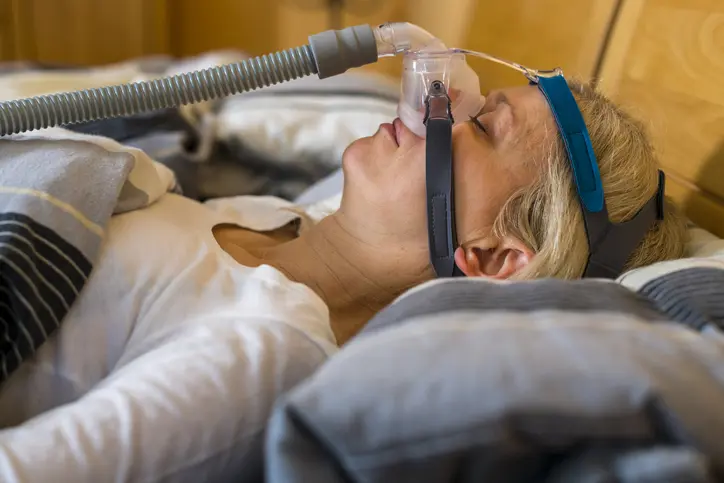
- Post-Service Medical Evidence – Medical records after service showing a diagnosis of sleep apnea and treatment with CPAP or other devices help establish the condition’s continuity.
- Nexus Statements – A nexus letter from a qualified medical professional can explain how the sleep apnea is related to military service or a service-connected condition. This is especially important for non-presumptive conditions, as the VA requires clear medical reasoning linking the condition to service.
Secondary Service Connection
Sleep apnea can also be claimed as a secondary condition. For example, if a veteran has a service-connected condition like PTSD or obesity that contributes to the development of sleep apnea, the VA may grant benefits based on the secondary connection. Proper documentation and medical opinions are critical in these cases.
Importance of Thorough Documentation
Claims for non-presumptive conditions often face higher scrutiny. The more evidence a veteran can provide, the stronger the claim will be. This includes:
- Medical records and sleep studies
- Treatment history, including CPAP compliance
- Statements from family or coworkers about observed symptoms
- Expert medical opinions linking the condition to service
Without this evidence, the VA may underestimate the severity of the condition or deny the claim.
Georgia Veterans’ Disability Attorneys
Sleep apnea may not be presumptive, but it can still qualify for VA disability benefits when properly documented. Veterans do not have to navigate this process alone. The team at Affleck & Gordon is experienced in helping veterans nationwide link non-presumptive conditions like sleep apnea to military service, prepare claims, and advocate for the best possible rating. Contact us today at (404) 990-3945 for a free consultation.