


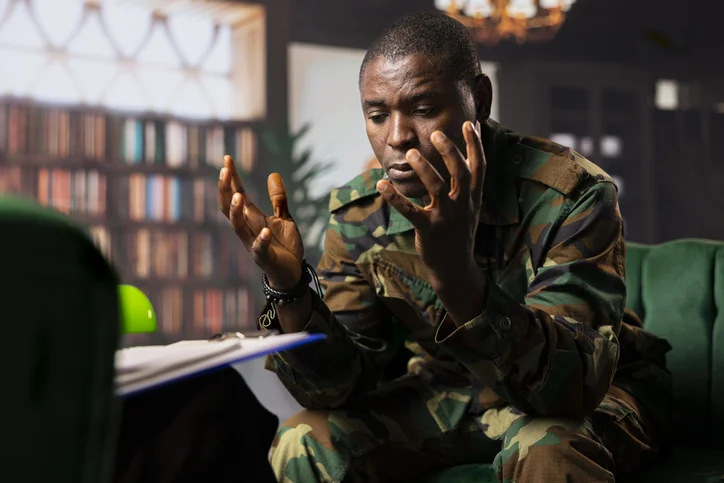
Preparing Your Case for VA Disability Benefits
Filing a VA disability claim for anxiety or depression can feel overwhelming, especially for veterans navigating the complex process in Georgia. The key to success often lies in preparation—gathering evidence, documenting your symptoms, and understanding how to clearly connect your mental health condition to your military service.
Anxiety and depression can affect every aspect of life, from relationships to work performance. The Department of Veterans Affairs (VA) evaluates claims based on both the severity of your symptoms and how they impact daily functioning. Proper preparation before filing can make a significant difference in whether your claim is approved and how quickly it moves through the system.
Gather Comprehensive Medical Evidence
The foundation of a strong claim is detailed medical documentation. This includes:
- Psychiatric evaluations: Official diagnoses from licensed mental health professionals are critical.
- Treatment history: Records of therapy sessions, medications, and hospitalizations provide a timeline showing ongoing treatment and symptom management.
- Progress notes: Document changes, flare-ups, and the impact on daily life.
Consistency is key. The VA looks for patterns of symptoms over time. Sporadic or incomplete records may weaken your claim, so ensure all relevant information is included.
Collect Supporting Statements
Statements from family members, friends, or coworkers can help illustrate how your anxiety or depression affects daily life. Also known as “buddy statements,” these accounts should describe:
- Observed symptoms and behaviors
- How does your mental health condition limit social interaction, work, or routine activities
- Specific examples of episodes or challenges
In Georgia, local support networks may also include veteran service organizations that can provide documentation or guidance on your claim.
Link Your Condition to Military Service
To qualify for VA disability, you must establish a service connection. This means showing that your anxiety or depression is related to your military experience. Evidence may include:
- Records of stressful events, deployments, or combat exposure
- Performance evaluations showing changes in behavior or function
- Statements from fellow service members confirming incidents or conditions
The VA gives strong consideration to documented service-related events, especially those corroborated by multiple sources.
Understand the Rating Process
The VA assigns a disability rating based on how much your anxiety or depression impairs occupational and social functioning. Ratings typically range from 0% to 100%, with higher percentages reflecting greater impairment. Understanding this process can help you and your medical providers focus on documenting the areas that matter most for your claim.
Take Steps Before Filing
Preparation is the most effective way to strengthen your claim:
- Keep a detailed journal of symptoms and how they affect daily life
- Gather all medical records, including past treatments and hospitalizations
- Collect buddy statements or letters from professionals who understand your condition
- Review your service records to highlight relevant events
By compiling thorough evidence before submitting your claim, you reduce the risk of delays, denials, or requests for additional information.
Georgia Veterans’ Disability Attorneys
Navigating VA claims for mental health conditions can be challenging without experienced guidance. Affleck & Gordon assists veterans across Georgia in preparing their claims, gathering evidence, and advocating for the benefits they deserve. Filing a claim with strong documentation and proper support increases the chances of approval and ensures your service-related mental health condition is fully recognized.
Contact Affleck & Gordon at (404) 990-3945 to discuss your situation and get expert guidance on filing your VA disability claim for anxiety or depression.

.2507251820440.jpg)