


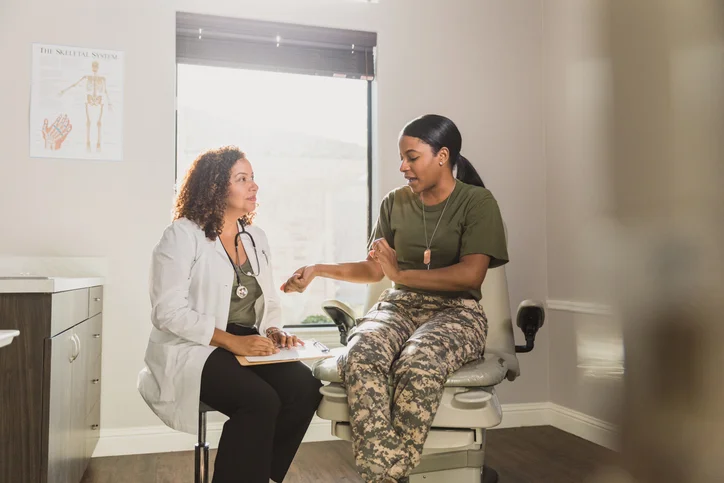
A favorable medical opinion can play a significant role in a VA disability claim. Unfortunately, not every veteran receives an opinion that accurately reflects their condition, service history, or the connection between the two. When a VA examiner provides an unfavorable medical opinion, it can lead to a denied claim, a lower disability rating, or additional delays in obtaining benefits.
The good news is that an unfavorable opinion is not necessarily the final word. Veterans often have options to challenge conclusions they believe are incomplete, inaccurate, or unsupported by the evidence.
Why VA Medical Opinions Matter
When evaluating a disability claim, the Department of Veterans Affairs frequently relies on medical opinions to determine whether a veteran’s condition is connected to military service. These opinions are often obtained during Compensation and Pension (C&P) examinations or through medical record reviews.
A medical opinion may address questions such as:
- Whether a condition began during military service
- Whether military service caused or contributed to the condition
- Whether a service-connected disability caused a secondary condition
- The severity and functional impact of a disability
Because VA decision-makers often rely heavily on these opinions, an unfavorable conclusion can significantly affect the outcome of a claim.
Common Problems With Unfavorable Medical Opinions
Veterans are often surprised to learn that medical opinions can contain mistakes, omissions, or assumptions that do not fully reflect their circumstances.
Some common issues include:
- Failure to review relevant medical records
- Failure to consider lay statements from the veteran or family members
- Overlooking documented symptoms
- Relying on inaccurate facts about service history
- Providing conclusions without sufficient explanation
- Dismissing secondary service connection theories without adequate analysis
In some cases, an examiner may acknowledge a diagnosis but conclude that there is insufficient evidence connecting the condition to military service. In others, the examiner may not fully address how symptoms have affected the veteran’s daily life.
Reviewing the Basis for the Opinion
Before challenging an unfavorable opinion, it is important to understand why the examiner reached that conclusion.
Veterans should carefully review the examination report and determine whether the examiner:
- Addressed all claimed conditions
- Considered relevant service records
- Discussed important medical evidence
- Explained the reasoning behind the conclusions
A detailed review can help identify weaknesses or inconsistencies that may require additional evidence.
Obtaining Additional Medical Evidence
One of the most effective ways to challenge an unfavorable VA medical opinion is by providing additional medical evidence.
This may include:
- Updated treatment records
- Specialist evaluations
- Diagnostic testing results
- Statements from treating physicians
- Independent medical opinions
Additional evidence may help clarify medical issues that were overlooked during the original examination or provide support for a service connection that was previously questioned.
A well-supported medical opinion can sometimes address deficiencies in the original report and provide decision-makers with a more complete picture of the veteran’s condition.
Using Lay Evidence to Strengthen a Claim
Medical records are important, but they are not the only evidence considered by the VA.
Lay statements from veterans, family members, friends, or coworkers may help document how a condition developed and how it affects daily life. These statements can provide valuable context regarding symptoms, limitations, and observable changes that may not appear in medical records.
For example, a spouse may describe sleep disturbances related to PTSD, while a coworker may explain how chronic pain affected job performance over time.
When combined with medical evidence, these statements can help strengthen a claim and challenge conclusions that fail to account for the veteran’s full experience.
Understanding Your Appeal Options
If a claim is denied based on an unfavorable medical opinion, veterans may have appeal options available depending on the circumstances of the case.
The appropriate strategy often depends on factors such as:
- The evidence already in the record
- Whether new evidence is available
- The specific findings made by the VA
- The procedural stage of the claim
Because every claim is different, evaluating the strengths and weaknesses of the existing evidence can be an important step in determining how to move forward.
Contact Affleck & Gordon for Assistance
An unfavorable VA medical opinion does not necessarily mean your disability claim is over. Additional evidence, medical opinions, and legal strategies may help address the VA's concerns and strengthen your case.
Georgia Veterans’ Disability Attorneys
If you have questions about a denied claim, a low disability rating, or an unfavorable medical opinion, contact Affleck & Gordon at (404) 990-3945. Our team helps veterans understand their options and navigate the VA disability claims process.