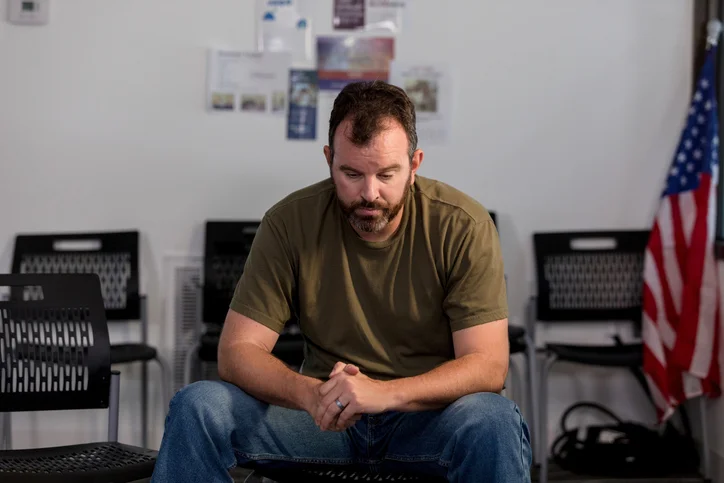


Chronic pain affects many veterans long after their military service has ended. Whether the pain stems from a back injury, joint condition, nerve damage, or another service-connected disability, its effects often extend far beyond medical appointments and diagnostic tests. For many veterans, chronic pain can interfere with basic daily activities, employment, physical movement, and overall quality of life.
When evaluating disability claims, the Department of Veterans Affairs does not rely solely on a diagnosis. The VA also considers how a condition affects a veteran’s ability to function. Understanding how functional loss is evaluated can help veterans better prepare their claims and provide evidence that reflects the true impact of their disabilities.
What Is Functional Loss?
Functional loss refers to a reduction in a person’s ability to perform normal movements and activities due to a medical condition. In VA disability claims, functional loss is often an important factor because two veterans with the same diagnosis may experience very different levels of impairment.
For example, two veterans may both have a service-connected back condition. One may experience occasional discomfort, while the other may struggle to stand, walk, bend, lift objects, or sit for extended periods. Although the diagnosis may be similar, the impact on daily life can vary significantly.
The VA considers these limitations when determining the severity of a disability and assigning a disability rating.
How Chronic Pain Can Affect Daily Activities
Chronic pain often affects much more than a specific body part. It can create challenges that interfere with everyday routines and responsibilities.
Veterans experiencing chronic pain may have difficulty with:
- Standing for long periods
- Walking long distances
- Climbing stairs
- Lifting or carrying objects
- Driving
- Household chores
- Personal care activities
- Maintaining employment
In some cases, chronic pain may also contribute to fatigue, sleep disturbances, anxiety, depression, or reduced mobility, further affecting a veteran’s daily functioning.
These limitations can be important evidence during the disability evaluation process.
Why Range of Motion Is Not the Whole Story
Many veterans focus on range-of-motion measurements during Compensation and Pension (C&P) examinations. While those measurements are important, they do not always tell the full story.
A veteran may technically be able to complete a movement during an examination but experience significant pain while doing so. Others may experience increased symptoms after repetitive movement or during flare-ups that are not fully captured during a brief appointment.
The VA may consider factors such as:
- Pain during movement
- Weakness
- Fatigue
- Lack of endurance
- Instability
- Functional limitations during flare-ups
These factors can help demonstrate how a condition affects daily life beyond what is visible during a single examination.
Evidence That May Help Demonstrate Functional Loss
Medical records often provide important information about a veteran’s condition, but they are not the only relevant evidence.
Veterans may strengthen their claims by documenting how chronic pain affects their daily activities. Useful evidence may include:
- Treatment records
- Physical therapy records
- Specialist evaluations
- Statements from family members
- Personal statements describing limitations
- Employment records showing work-related difficulties
For example, a veteran may describe being unable to sit through an entire workday, needing frequent breaks, or struggling to complete household tasks because of pain.
These details can help create a clearer picture of how a disability impacts everyday life.
The Importance of Consistency
Consistency is often an important factor in disability claims. Medical records, personal statements, and other evidence should generally tell a similar story regarding symptoms and limitations.
If treatment records consistently document chronic pain, mobility issues, or functional restrictions, they may help support a veteran’s description of daily challenges. Likewise, statements from family members or caregivers may reinforce how a condition affects daily activities over time.
Providing accurate and detailed information throughout the claims process can help ensure the VA has a more complete understanding of the disability.
Contact Affleck & Gordon for Assistance
Chronic pain can affect nearly every aspect of daily life, and the impact is not always reflected by a diagnosis alone. Understanding how the VA evaluates functional loss may help veterans build stronger claims and present evidence that accurately reflects their limitations.
Georgia Veterans’ Disability Attorneys
If you have questions about a VA disability claim, an appeal, or how chronic pain may affect your disability rating, contact Affleck & Gordon at (404) 990-3945. Our team helps veterans navigate the claims process and understand their options for pursuing the benefits they have earned.